
How to Unlock Music Placement Opportunities
February 25, 2020
Understanding Music Licensing and Sync Deals
October 1, 2024How to Unlock Music Placement Opportunities
February 25, 2020Understanding Music Licensing and Sync Deals
October 1, 2024Advancing Your Music Career
The music industry is evolving rapidly, and with the rise of digital platforms and tools, advancing your music career has never been more accessible. Whether you’re an aspiring composer or an established artist, understanding how to compose music that fits perfectly into movies, ads, or other forms of media can open new doors for your career.
In this blog post, we’ll explore how digital tools can enhance your music composing skills, and how focusing on key areas like musical instruments and listening techniques can set you apart in the competitive world of sync licensing.
1. Digital Tools: Revolutionizing Music Composition
Gone are the days when music composition was confined to traditional instruments. Today’s digital tools offer endless possibilities for creating music that stands out. Digital Audio Workstations (DAWs) like Logic Pro, Ableton Live, and FL Studio allow composers to experiment with various sounds, instruments, and effects, making it easier to create music that resonates with the emotional tone of films and advertisements.
By mastering these digital tools, you can compose music that not only aligns with the vision of directors and producers but also captures the audience’s attention. These tools provide access to virtual instruments, advanced editing features, and seamless integration with other audio sources, giving you complete control over the creative process.
2. Mastering Traditional and Digital Musical Instruments
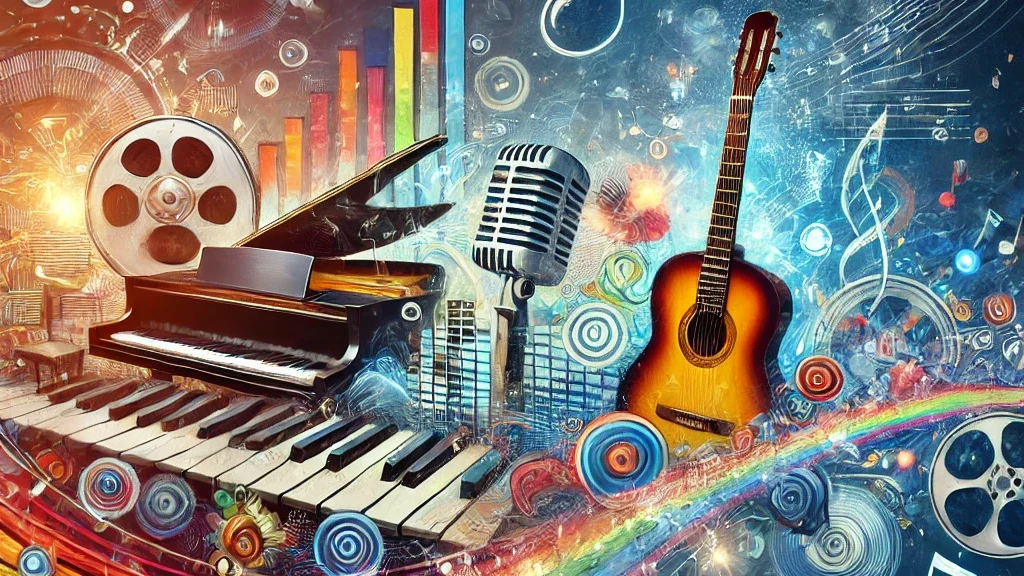
While digital tools offer significant advantages, mastering traditional and digital musical instruments remains essential. Whether it’s the piano, guitar, or synthesizer, having a deep understanding of musical instruments allows you to infuse authenticity into your compositions. The ability to blend traditional sounds with digital effects can help your music stand out in the crowded marketplace of film scores and commercial soundtracks.
Learning new instruments or refining your skills on the ones you already know will not only expand your musical palette but also make you more versatile as a composer. The more instruments you can effectively use, the more creative freedom you’ll have in composing music for a variety of media formats.
3. Developing Advanced Musical Listening Skills
Music placement in films, ads, and other media isn’t just about composing—it’s about understanding how your music complements visual elements. This is where musical listening skills come in. Developing an acute ear for how different sounds and compositions interact with visuals will help you create pieces that enhance a scene rather than overpower it.
Start by analyzing soundtracks from your favorite movies, TV shows, and commercials. Focus on how certain instruments or melodies are used to evoke emotion, build tension, or provide relief. By sharpening your musical listening skills, you’ll be able to identify what works well in different contexts and apply those principles to your own compositions.
4. Sync Licensing: The Gateway to Film and Advertising
Once you’ve honed your music composing skills, the next step is understanding the world of sync licensing. This involves having your music placed in films, TV shows, ads, and even video games. The demand for original, high-quality compositions is growing, and sync licensing can be a lucrative way to advance your music career.
Being proactive in learning about the sync licensing process is essential. Collaborating with music supervisors, building a strong portfolio, and attending industry events like workshops can increase your chances of landing placements in high-profile projects. Sync licensing not only boosts your visibility as a composer but also generates steady revenue streams through royalties.
Conclusion: Merging Technology and Talent
Advancing your music career in today’s digital age requires a blend of traditional musical expertise, innovative digital tools, and sharp listening skills. By leveraging the power of digital audio workstations, mastering various musical instruments, and enhancing your ability to match music with visuals, you can create compositions that captivate both audiences and industry professionals.
As you navigate the evolving landscape of music placement in films and ads, remember that combining technology with your artistic talent will set you apart in a competitive industry. Keep learning, experimenting, and refining your craft to open up new and exciting opportunities in your music career.